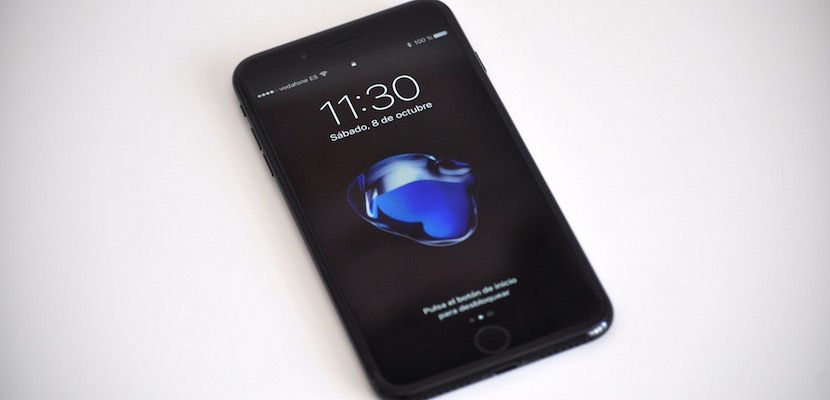
Apple has made an excellent work with them screens LCD of its current iPhone 7 and 7 Plus, until the point of have been qualified as DisplayMate as “the best screens LCD ever made”. In spite of this, the shift towards the AMOLED screens seems already inevitable in the next iPhone 8, but it will not be a lasting marriage, because the future of Apple seems destined to use the Micro-LED screens. What do these screens contribute? We explain what you then.
Developing the technology since 2014
The story isn’t recent, much less. Apple acquired the company LuxVue, in 2014 and although as always in Cupertino was not done any statement about the intentions of the company to acquire this small startup but obviously his interest was in the many patents on Micro-LED technology applied on the screens of mobile devices. According to the opinions of the experts at the time of the acquisition, the company was developing an innovative technology that would change the future of the screens of mobile devices.
Big advantages opposite to the current screens
What is special this technology on the screens of our mobile devices? Assumes that the best technology of the moment is the SuperAMOLED that Samsung uses on their mobile devices, but Apple has never been especially attracted by this technology and it has resisted their use. He Apple Watch was the first device in use it for your screen, and seems inevitable that the iPhone 8 the carry, at least in its model premium. But the technology Micro-LED is superior to the AMOLED, and among its advantages highlights a consumption energy so under that is would improve the performance of the current 300% battery.
Micro-LED screens do not need backlighting, as it is the case with the current LCD, so like the AMOLED Blacks are black, because the pixels are turned off, and that means a considerable saving of battery. However the range of colors that is gets is much better that it of the current AMOLED, and with the same consumption energy is Gets the double of brightness that with these. In addition, once the technology is refined manufacture on a large scale is much less expensive than LCD panels, and not to mention that AMOLED panels, even more expensive.
What the immediate future?
Micro-LED technology is still at an early stage of development, and some experts the possibilities of that stops getting a mass production that serves for their commercial application is currently 50%. Both Apple and Samsung are working on both technologies, but from different approaches.
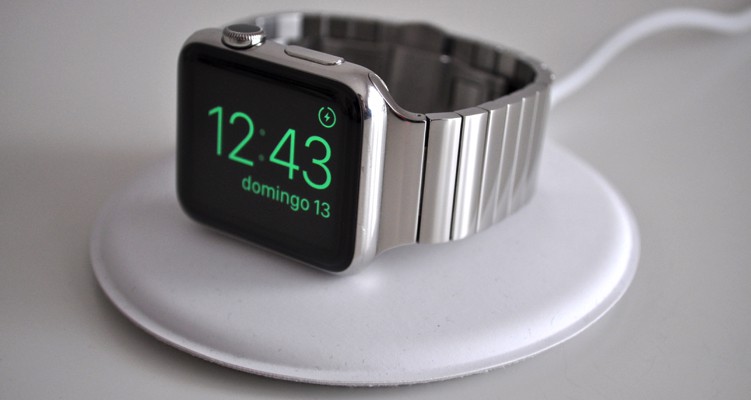
Its commercial application so it still is not clear, but it could be the future Apple Watch which is launched in 2017 to include this type of screen. Is is of a device ideal for this by having a size small, and because any improves in its autonomy will be very grateful for to add you new functions, as the connectivity LTE. Apple watch was the first to include the AMOLED technology and now could again be the perfect test bed for this new technology.
With the stagnant batteries, the screen is the key
The technology of them batteries seems that not evolves it sufficiently fast to cover them needs each time higher of them devices mobile. Those smartphones include new functions, screens of greater size and resolution, but the battery not improves to this rhythm. If we take into account that the screen is undoubtedly part of the device that consumes more, improve in this aspect will have a great impact on the autonomy of the terminal. An iPhone whose battery lasts 2 or 3 days? What we today sounds like science fiction may be possible in the not-too-distant future.